The Story Planning Toolkit
Every story structure, in one workspace
Most writers don’t lose the plot in the writing. They lose it in the planning, in a folder of half-finished story planning documents, a character list that made sense last month, and a notebook that lives in a different bag. The story is scattered before the first scene is written.
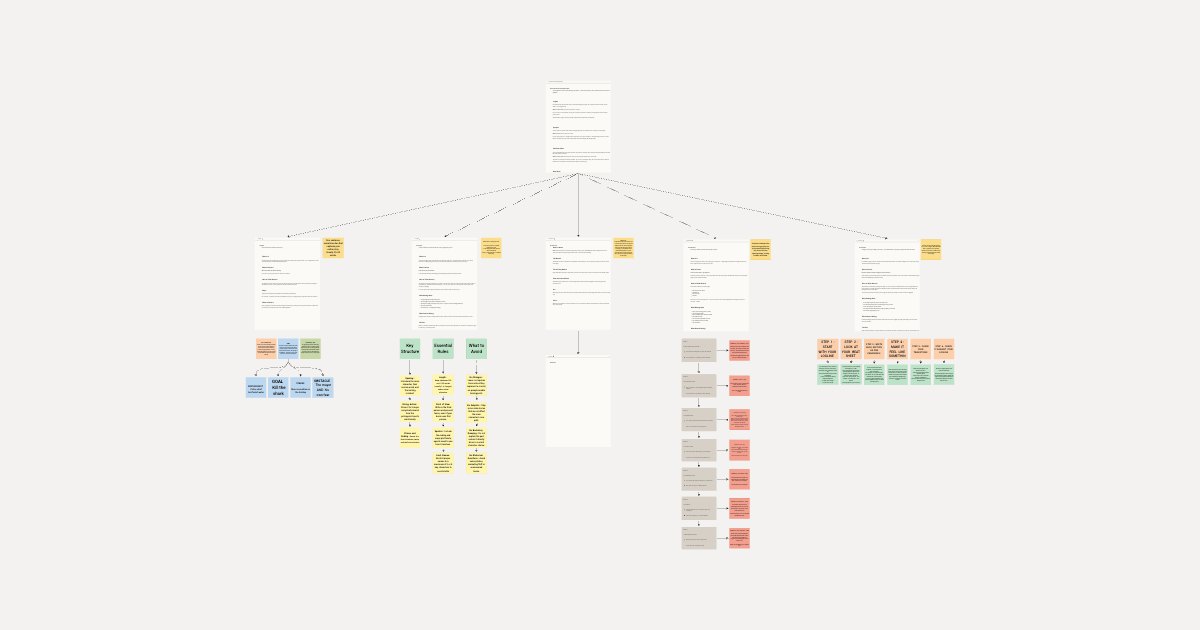
The Story Planning Toolkit gives you five story planning templates on one infinite canvas: a logline, a synopsis, a character sheet, a beat sheet, and a treatment. Fill in the ones that fit your project, keep them side by side, and start drafting beside them. It works as a novel planning template or a screenwriting workflow, with no exporting, no switching tabs, and no rebuilding your outline every time the story changes.
What’s in the Story Planning Toolkit?
• Logline template. One sentence that holds the whole story: who wants what, and what stands in the way. If you can’t say it in a single line, the idea isn’t focused yet.
• Synopsis template. The whole story told short, start to end, in one to three pages. Every major turn, no scene detail. It proves the shape holds and the ending pays off the opening.
• Character sheet template. What each major character wants, what they actually need, the flaw in the way, and how they change. Not a backstory dump - a way to hold every person accountable to the story.
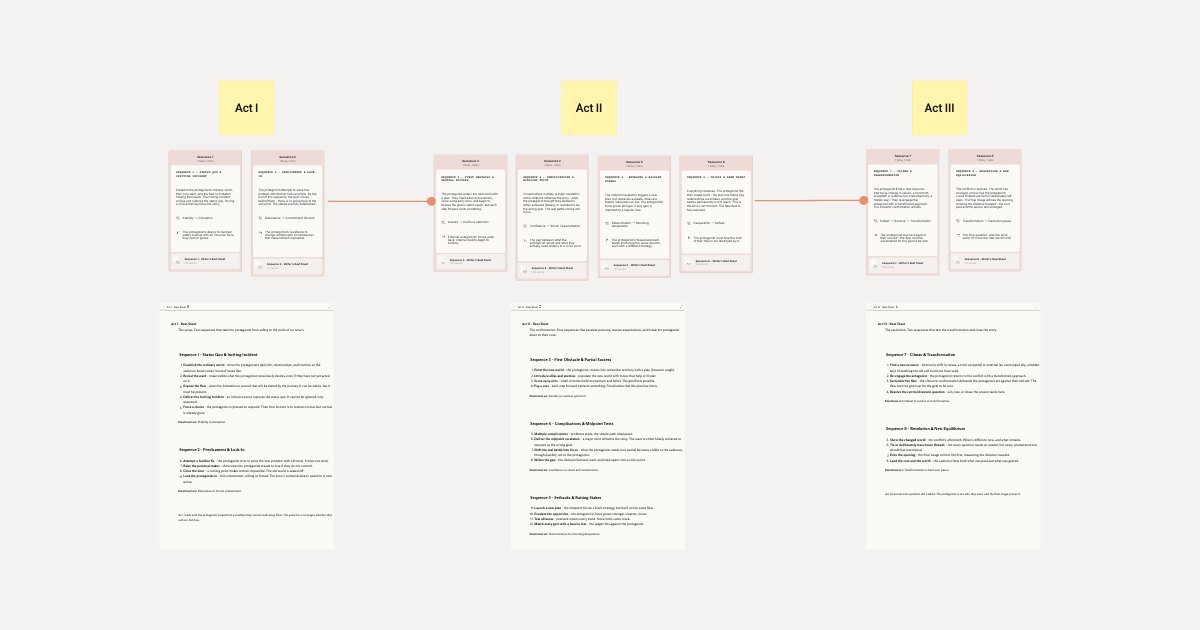
• Beat sheet template. The story’s spine, one turn per line, in order. She finds the letter, he denies it, she tests him, he fails. Short and structural, so you can see whether each beat causes the next.
• Treatment template. The story told long, in prose, five to fifteen pages. Where the synopsis proves the shape works, the treatment proves the experience works.
These five story planning worksheets zoom in by degrees. The logline focuses the idea, the synopsis proves it works end to end, the beat sheet proves the structure is causal, the treatment proves it holds up as an experience, and the character sheet proves each person earns their place. You don’t need all five at once, but this is how to plan a story so that when the draft stops working, you can see exactly where the crack started.
Why use story planning templates in Skrib instead of a document?
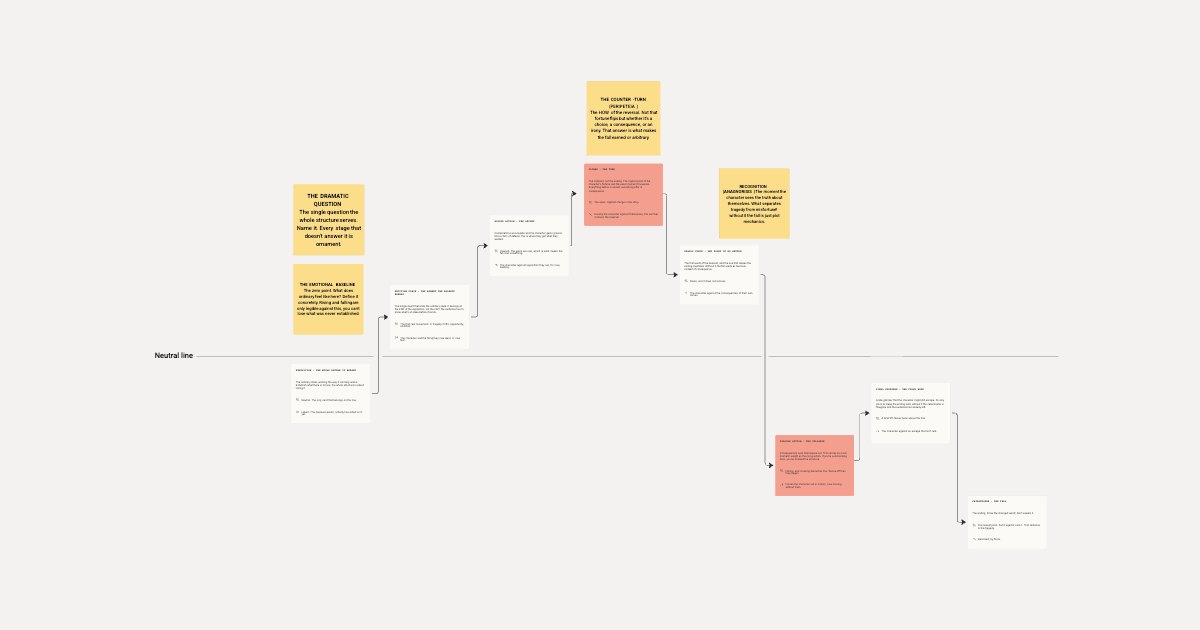
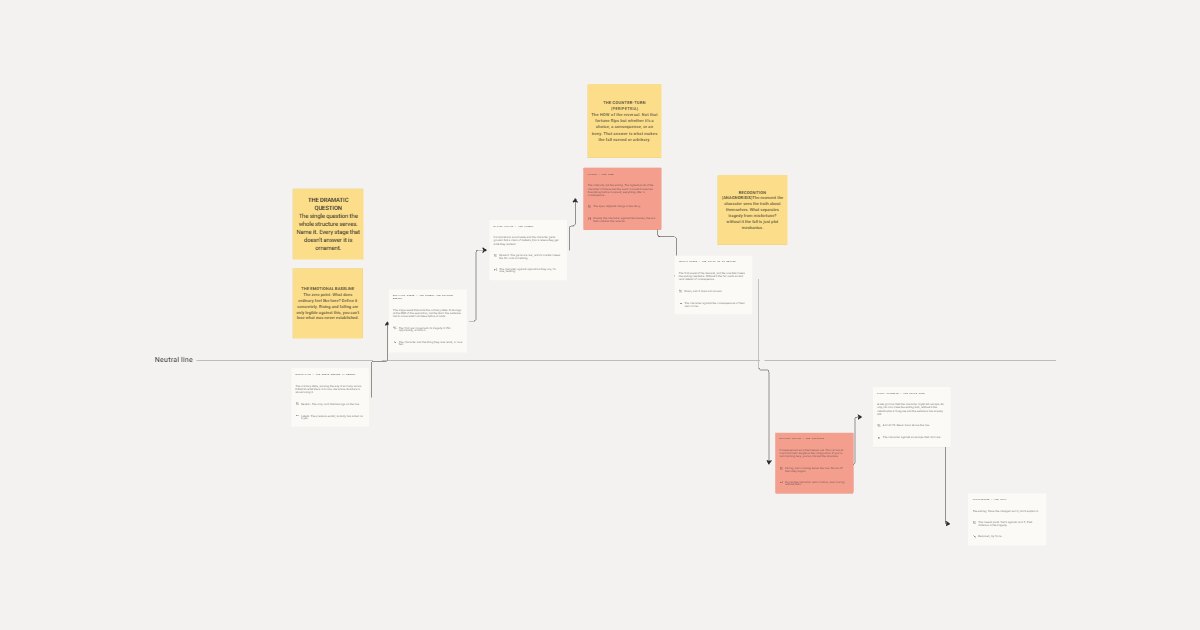
A story structure is a shape. Documents can’t show you shape.
• See the whole story at once. Your full arc lives on one infinite Board - beats, scenes, characters, and notes, all visible together instead of buried across twenty pages of scroll.
• Move things without rebuilding. Drag a beat, split a sequence, reorder an act. The outline updates; you don’t retype it.
• Plan and write in the same studio. Your outline sits on the Board. Your manuscript sits in the Draft. One click between them, every time.
• Keep research where you’ll actually use it. Upload PDFs, images, spreadsheets, and reference files straight onto the canvas beside the scene they belong to.
• Leave with everything. Export to .docx, .fdx, .fountain, .md, .pdf, and more, any time. Your work is never held hostage.
• Novelists planning a book long enough that the middle gets away from you.
• Screenwriters breaking story before a page of Fade In gets written.
• Serial authors tracking threads across dozens of installments.
• Game writers and playwrights mapping branches, scenes, and cues.
• First-time writers who want a proven shape to work inside, not a blank page.
Start planning in seconds
Pick a structure. Fill in the first beat. See where it goes.